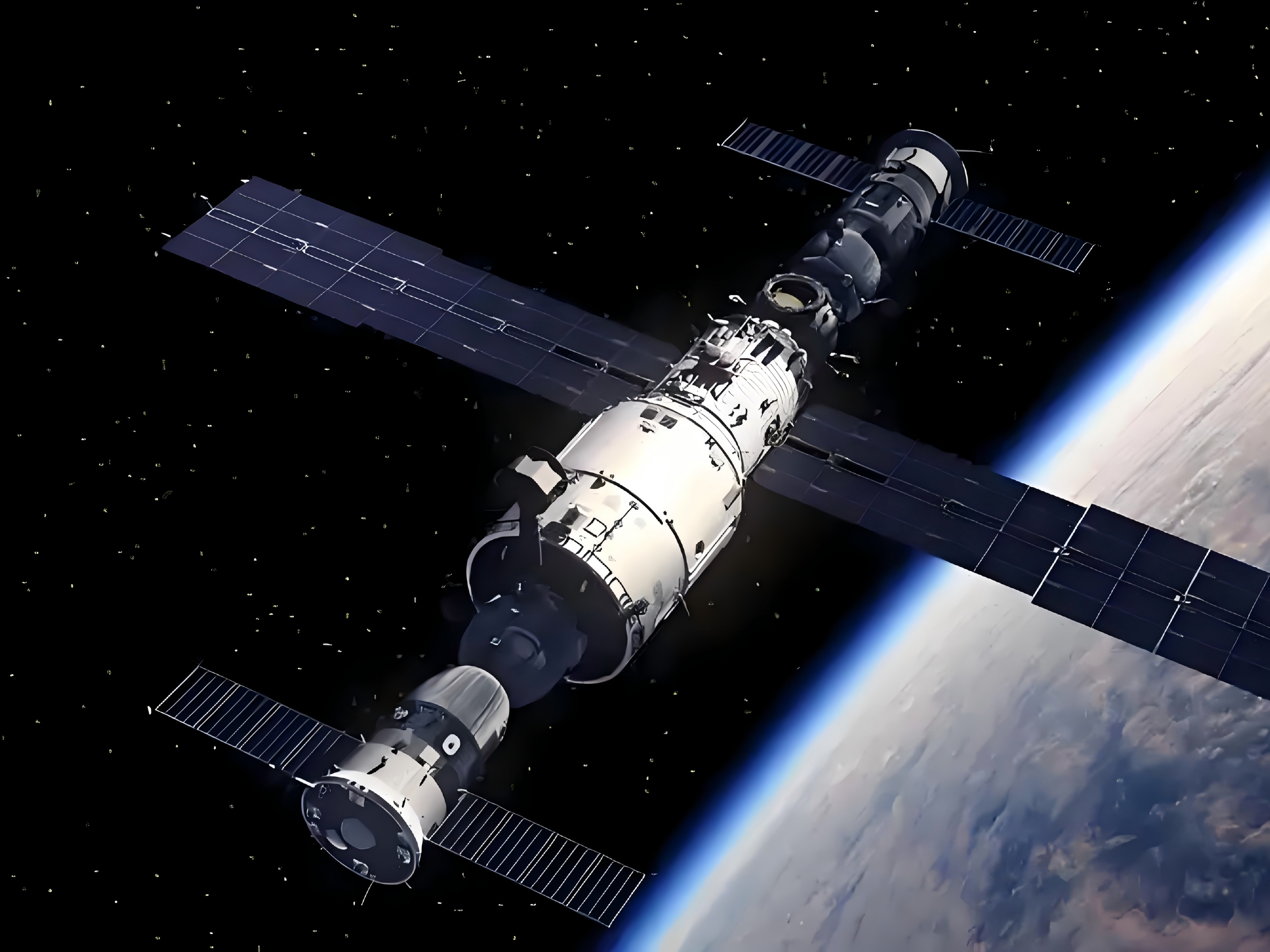
Astronomy & Aerospace
In the fields of astronomy and aerospace, the large-aperture optical profiler is no longer just a measurement tool; it is a critical enabling technology for realizing humanity's dream of exploring the universe. From the giant eyes that gaze into the depths of the cosmos to the satellites that act as keen observers of Earth, the exceptional performance of their underlying optical systems all begins with the uncompromisingly precise measurement data provided by large-aperture profilers.
1. Surface Form Control in the Manufacturing Process
This is the most critical application. During the grinding, polishing, and coating processes of astronomical telescope and space camera lenses, large-aperture optical profilers are required for repeated measurements.
2. System Integration and Alignment
When multiple large optical components (such as the primary and secondary mirrors) are installed into the telescope or satellite camera structure for alignment, the optical profiler plays a critical role. During the integration and alignment process, it measures the changes in the surface form of the optical components under variations in gravity, temperature, and stress. This ensures that all optical elements maintain their optimal surface figure and relative positions in their final operational state.
3. Performance Verification and Quality Certification
Prior to component delivery and system launch, final performance verification is mandatory. It provides authoritative, quantitative measurement data that proves the optical components' performance metrics comply with design specifications. This data serves as the basis for final acceptance, ensuring that the commissioned system achieves the expected resolution and imaging quality.